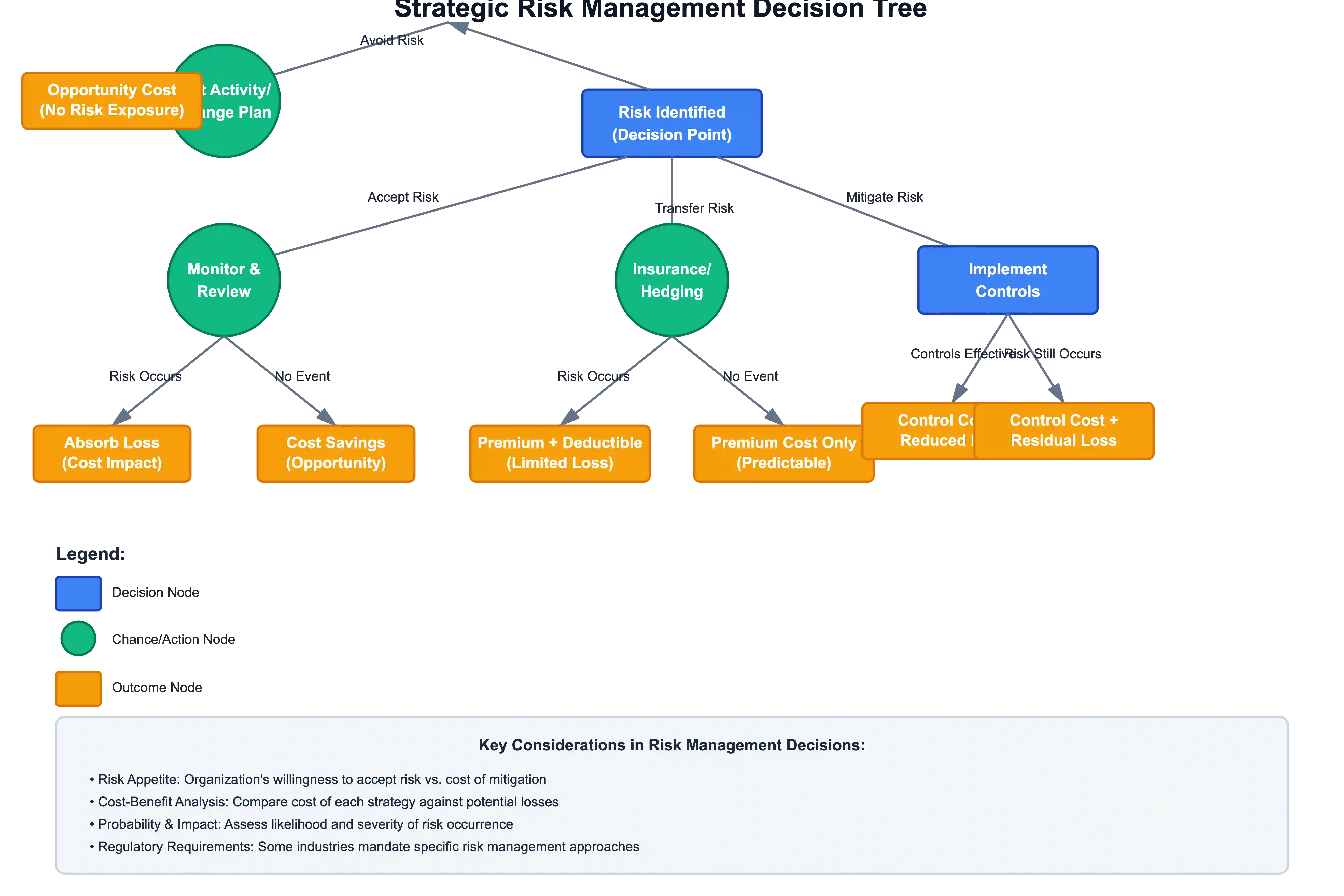
Gambling Strategy Insights from Ratha's Courage
The intersection of strategic decision-making and calculated risk appears throughout Clare Bell's Ratha series, offering readers insights into how courage manifests under pressure. Ratha's approach to fire-taming and clan leadership demonstrates principles that mirror strategic gambling: assessing odds, managing resources, and making decisions with incomplete information. These narrative elements provide a framework for understanding risk psychology across different contexts, from prehistoric survival to modern casino gaming.
Strategic Decision-Making in High-Stakes Environments
Ratha's courage emerges not from recklessness but from careful evaluation of threats and opportunities. When facing raiders, she assesses the clan's vulnerabilities, considers available resources, and develops fire-control techniques through methodical experimentation. This analytical approach parallels how successful gamblers evaluate probability and manage bankrolls.
- Pattern recognition helps identify opportunities and threats before they become critical
- Risk assessment requires balancing potential rewards against probable costs and consequences
- Emotional regulation maintains clear thinking during high-pressure decision points
- Strategic adaptation responds to changing circumstances rather than following rigid plans
- Long-term vision prioritizes sustainable success over immediate gratification
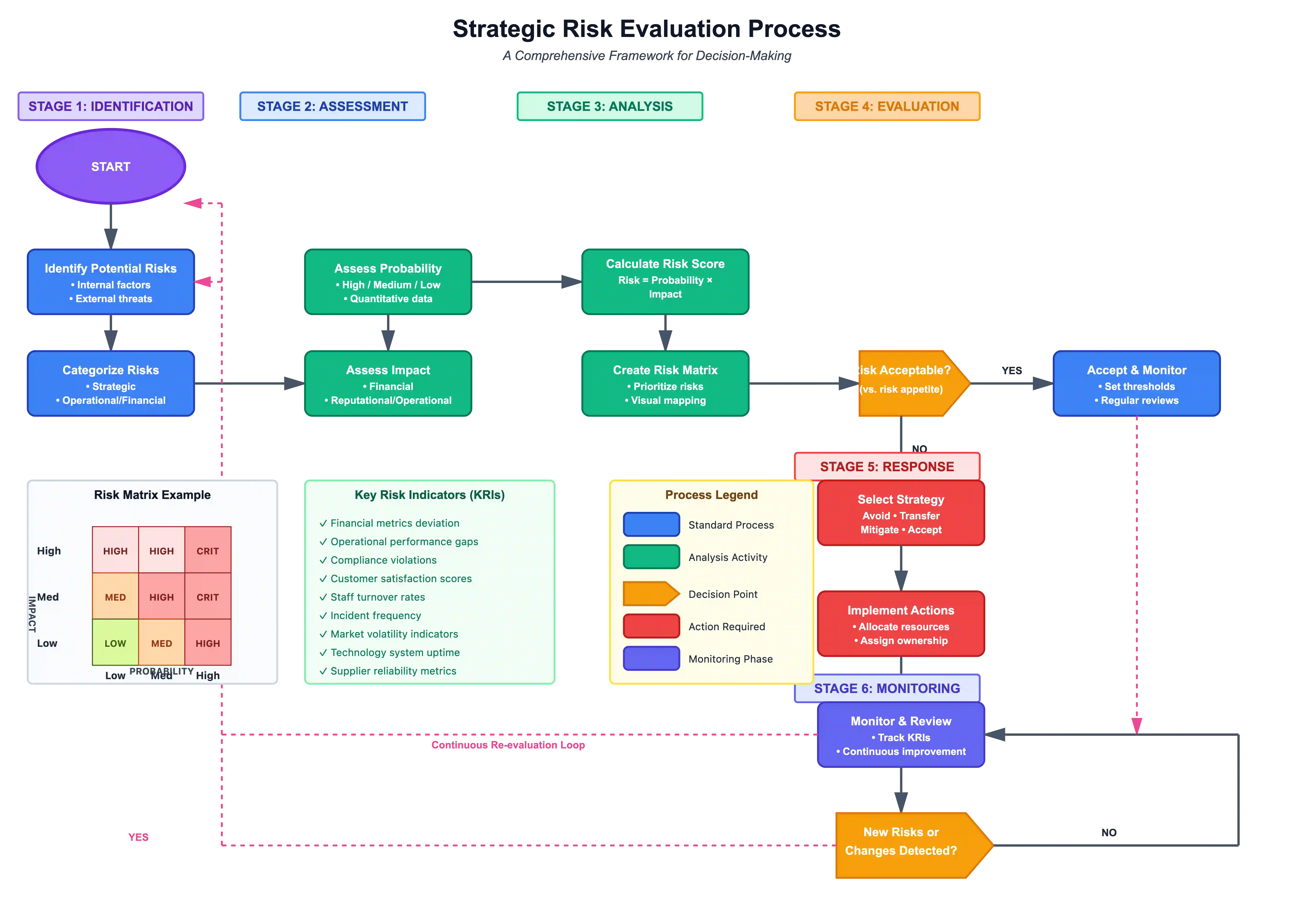
Comparing Survival and Gaming Strategies
The psychological elements connecting survival narratives and gambling fiction reveal universal patterns in human decision-making under uncertainty:
| Strategic Element | Ratha's Approach | Gambling Application |
|---|---|---|
| Information Gathering | Observing fire behavior patterns | Reading opponents and game mechanics |
| Risk Management | Gradual fire-taming experiments | Bankroll management and bet sizing |
| Social Dynamics | Building clan alliances | Table presence and psychological warfare |
| Adaptation | Adjusting to clan politics | Changing strategies based on results |
"Courage requires not the absence of fear but the ability to act effectively despite uncertainty, whether facing prehistoric threats or modern gaming challenges."
Fiction books about gambling and survival literature both explore how characters develop expertise through experience, learning to distinguish between controllable factors and random chance while maintaining psychological resilience.
Practical Applications
Understanding these strategic connections enriches appreciation for both literary narratives and real-world decision-making. Ratha's courage demonstrates that effective strategy combines analytical thinking with emotional awareness, providing readers with frameworks applicable beyond their original contexts. Whether examining prehistoric clan dynamics or contemporary casino narratives, the core principles of risk assessment and strategic courage remain consistent across different environments and time periods.